


Senate Advances Bill Mandating Social Media Platforms to Establish Physical Offices in Nigeria
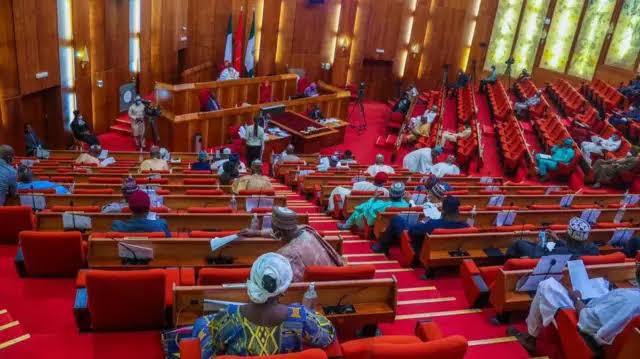
A bill seeking to amend the Nigeria Data Protection Act, 2023, to require social media platforms to establish physical offices within the country has scaled its second reading in the Senate.
The bill, titled “A Bill for an Act to Amend the Nigeria Data Protection Act, 2023, to Mandate the Establishment of Physical Offices within the Territorial Boundaries of the Federal Republic of Nigeria by Social Media Platforms, and for Related Matters, 2025 (SB. 650),” was sponsored by Senator Ned Munir Nwoko (APC, Delta North).
Following its second reading, Senate President Godswill Akpabio referred the bill to the Senate Committee on ICT and Cyber Security, which is expected to report back in two months.
In his lead debate, Senator Nwoko underscored Nigeria’s growing digital footprint, citing a Global Web Index report that places the country as Africa’s most active social media user base and second globally in terms of online engagement, with Nigerians spending an average of three hours and 46 minutes daily on social platforms.
Despite this, Nwoko noted that major tech giants, including Facebook, X (formerly Twitter), Instagram, WhatsApp, YouTube, TikTok, and Snapchat, do not maintain physical offices in Nigeria, unlike in other major economies.
He outlined the challenges posed by this absence, including:
- Limited Local Representation: The lack of direct engagement with Nigerian authorities and stakeholders.
- Economic Losses: The inability to fully harness taxation and employment opportunities from the digital sector.
- Legal and Data Protection Concerns: Difficulty enforcing national data protection laws and regulations.
Beyond social media platforms, the proposed amendment also introduces new compliance measures for bloggers operating in Nigeria. The bill mandates that:
- Bloggers must establish verifiable offices in any of Nigeria’s capital cities.
- They must maintain proper employee records.
- They must belong to a recognized national bloggers’ association headquartered in Abuja.
According to Senator Nwoko, these provisions aim to enhance accountability, transparency, and professionalism in Nigeria’s digital media space, aligning blogging standards with those of traditional media organizations.
Senator Nwoko clarified that the bill is not an attack on social media platforms but a call for fairness and respect for Nigeria’s position as a global leader in digital engagement. He emphasized that similar regulations exist in other jurisdictions, and Nigeria must protect its digital economy and data sovereignty.
The proposed amendment is expected to spark debate among lawmakers, digital rights advocates, tech companies, and online content creators. The Senate ICT and Cyber Security Committee will now scrutinize the bill further before its next legislative stage.



