




By Societal Concerns Media Network
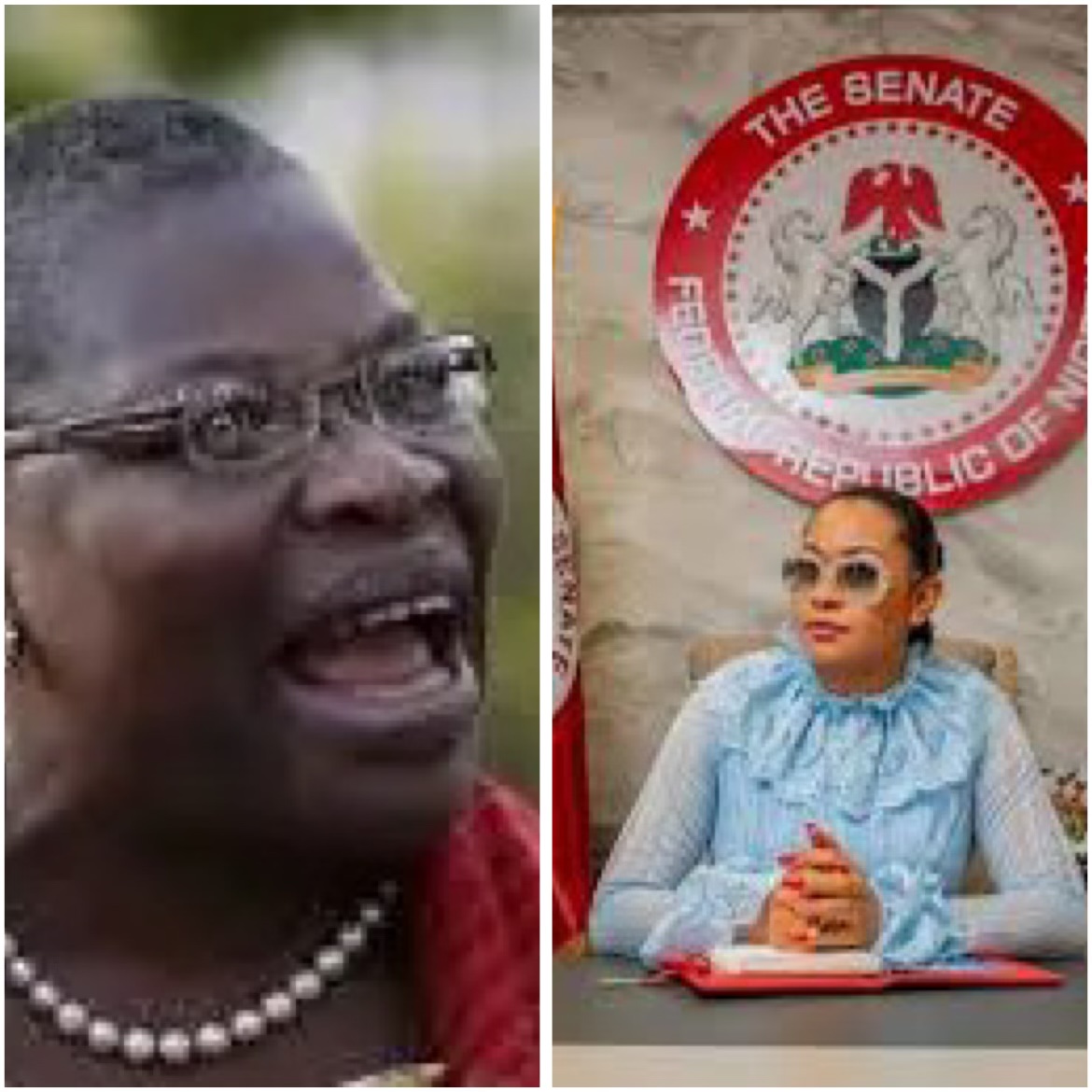
The political atmosphere in Nigeria has grown tense following the suspension of Senator Natasha Akpoti-Uduaghan by the Nigerian Senate — a move that has drawn sharp criticism from various quarters, including former Minister of Education, Oby Ezekwesili.
In a series of posts on X (formerly Twitter) on Thursday, Ezekwesili condemned the Senate’s decision, accusing the lawmakers of abusing their power and “desecrating our public institution.” She criticized the upper legislative chamber for choosing to punish Senator Akpoti-Uduaghan rather than investigating the sexual harassment allegations the lawmaker had raised against Senate President Godswill Akpabio.
“Investigate the accusation of sexual harassment — that is all that sensible Nigerians have collectively asked the @NGRSenate to do,” Ezekwesili wrote. “But no, they have decided to choose the ignoble path of vicious abuse of power and desecration of our public institution.”
Ezekwesili’s support for Akpoti-Uduaghan was firm, as she encouraged the suspended senator, saying:
“Senator Natasha Akpoti-Uduaghan, you have inspired a generation. You have inspired all credible citizens. You will never walk alone.”
The suspension, which takes effect from March 6, 2025, followed Senator Akpoti-Uduaghan’s refusal to appear before the Senate Committee on Ethics, Privileges, and Public Petitions on Wednesday. The committee, chaired by Senator Neda Imasuen, had recommended her suspension for six months, barring her from the National Assembly and preventing her from identifying as a senator during this period.
Reactions from Different Angles
The Senate’s actions and Ezekwesili’s remarks have sparked mixed reactions, with Nigerians offering contrasting perspectives:
- Supporters of Natasha Akpoti-Uduaghan: Many Nigerians have rallied behind the Kogi Central senator, viewing her suspension as an attempt to silence a vocal female lawmaker. Human rights activists and women’s rights groups have condemned the Senate’s move, describing it as a blow to gender equality and freedom of expression. “This is not just about Natasha; this is about every woman who dares to speak truth to power,” said Aisha Ibrahim, a prominent gender rights advocate.
- Critics of Akpoti-Uduaghan: Conversely, some lawmakers and supporters of the Senate’s decision argue that Akpoti-Uduaghan’s refusal to appear before the Ethics Committee was an act of defiance that warranted disciplinary action. “There are rules guiding the conduct of senators, and everyone must abide by them,” said Senator Aliyu Hassan.
- Public Opinion and Civil Society: On social media, a wave of public outcry followed the suspension, with the hashtag #IStandWithNatasha trending online. Civil society organizations have called for an independent probe into the sexual harassment allegations against Senate President Akpabio.
- Political Analysts: Some political analysts have expressed concern over the broader implications of the Senate’s actions, warning that it could set a dangerous precedent for silencing dissenting voices within the legislature. “This incident raises questions about the state of democracy in Nigeria and the ability of lawmakers to hold their leaders accountable,” said political commentator Dr. Femi Adetayo.
What Next?
As the controversy unfolds, calls are growing louder for transparency and accountability. While the Senate remains firm in its decision, voices like Ezekwesili’s continue to amplify public demand for justice.
Senator Akpoti-Uduaghan has yet to respond officially to her suspension, but supporters are urging her to challenge the Senate’s decision through legal and political means.
The nation watches closely, as this episode not only tests the strength of Nigeria’s democracy but also highlights the ongoing struggle for gender inclusivity and fairness within the country’s political landscape.



