



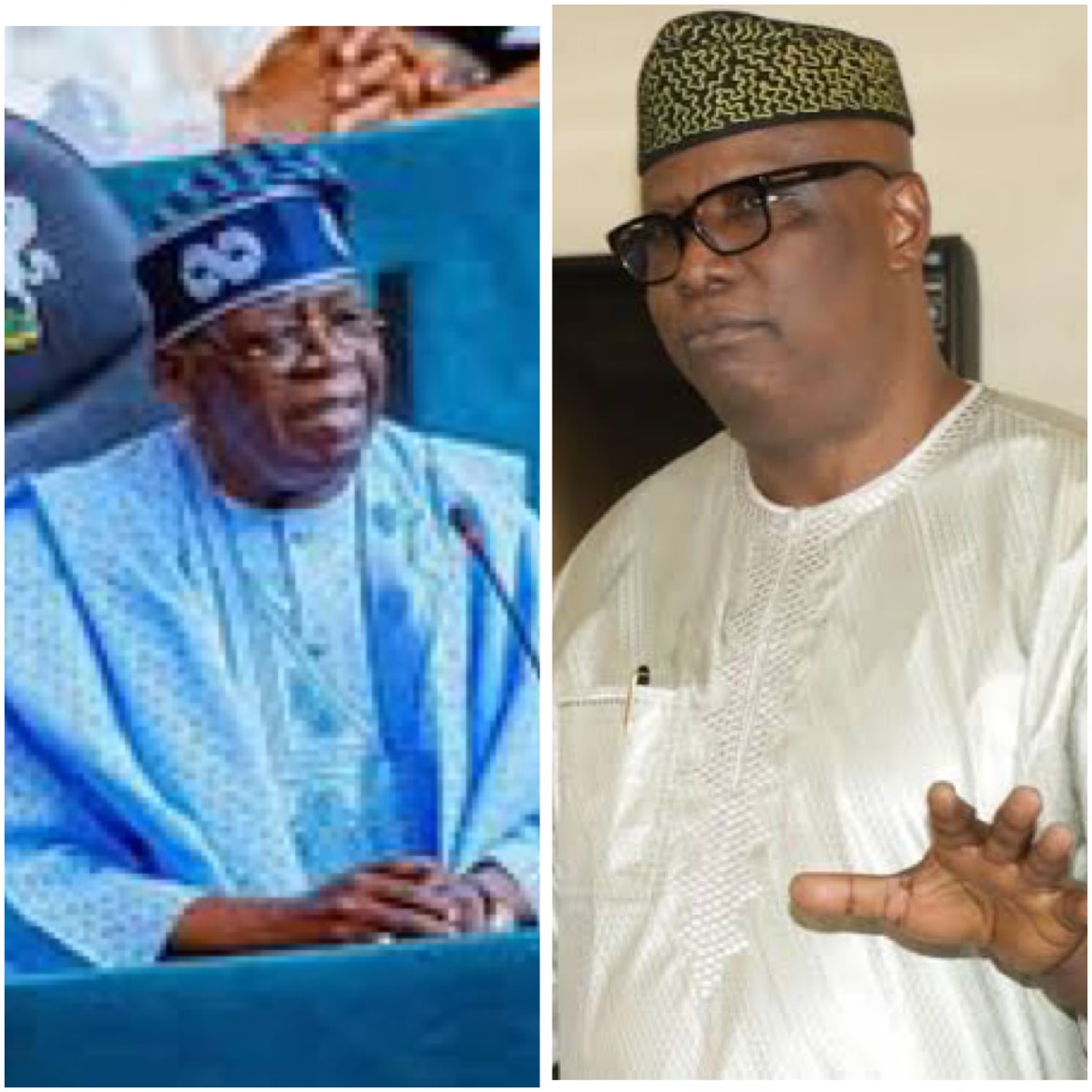

Sen. Babafemi Ojudu Condemns State of Emergency in Rivers, Warns Economic , Security Fallout: “The Real Emergencies Are Elsewhere”
Former Presidential Adviser and political heavyweight, Sen. Babafemi Ojudu, CON, has raised alarm over reports that President Bola Ahmed Tinubu has declared a state of emergency in Rivers State. In a strongly worded press statement, Ojudu questioned the rationale behind the decision, warning of severe economic and security consequences for Nigeria.
Describing the move as “reckless and unnecessary,” he urged the President to reconsider, emphasizing that a simple political intervention could have resolved the ongoing crisis. According to Ojudu, the crisis in Rivers is a political dispute, not an emergency requiring military intervention.
“Who Advised the President?”
Ojudu expressed disbelief, questioning who might have influenced Tinubu’s decision. “Who advised the President to take this course of action? Whoever it is, they are certainly not a friend of his administration, nor do they have the best interests of Nigeria at heart,” he stated.
Drawing from his political experience, Ojudu insisted that a direct engagement between the warring factions—reportedly involving Governor Siminalayi Fubara and Minister Nyesom Wike—would have sufficed. “One of them, after all, is your own appointee,” he reminded Tinubu, stressing that the priority should be national stability, not political allegiance.
Ojudu linked the decision to potential economic disaster, recalling that the Niger Delta crisis previously plunged Nigeria into recession twice under President Muhammadu Buhari.
He warned that any escalation in Rivers could lead to another disruption in oil production, pushing the country into another economic crisis. “At one point, Nigeria’s oil production collapsed to below 400,000 barrels per day, down from 2.5 million barrels per day,” he said, cautioning that renewed militancy, sabotage, and illegal bunkering could further damage Nigeria’s fragile economy.
“The global oil market is unforgiving. Investors do not wait for internal political conflicts to be resolved. They simply take their capital elsewhere,” he stressed.
Beyond economic concerns, Ojudu pointed to the security crisis Nigeria is already battling in the North East, North West, and North Central. He warned that declaring a state of emergency in Rivers would divert military resources from the fight against insurgency, banditry, and kidnapping.
“These are the real emergencies. These are the crises that demand decisive leadership,” he asserted, emphasizing that Nigeria “cannot afford to be fighting on multiple fronts—politically, economically, and militarily.”
Ojudu ended his statement with a passionate appeal to President Tinubu, urging him to reverse the decision before it causes “irreparable damage” to his administration and the nation.
“A state of emergency is not a strategy—it is an admission of failure,” he declared, advocating for diplomatic and political engagement instead of military intervention.
As the nation awaits an official confirmation from the presidency, the political storm surrounding Rivers State appears far from over. The coming days will determine whether Tinubu heeds Ojudu’s warning or pushes forward with the contentious decision.
For further updates, follow Societal Concerns Media Network.



