


In the once-peaceful community of Okpekpe, nestled in Etsako East Local Government Area of Edo State, silence now carries a heavy weight — a silence born not from tranquility, but from fear.
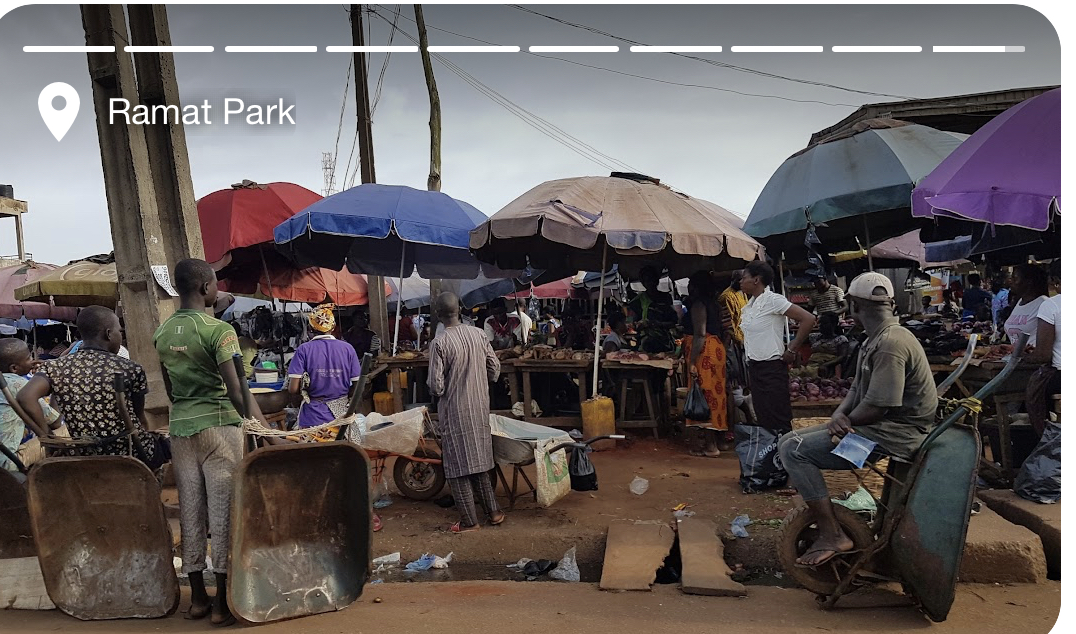
Just a few weeks ago, the community was alive with the usual rhythm of rural life — farmers tending to their fields, traders calling out their wares in the local market, and children chasing each other along dusty roads. Today, those roads are eerily quiet, the farmlands untended, and the market half-empty.
The recent killing of two residents on February 24, 2025, allegedly by suspected herdsmen, has sent shockwaves through the small community. The victims, both indigenous locals known for their hard work and hospitality, have become symbols of a growing crisis — one that has seen over 32 lives lost across Edo State in just the past month, according to a report by Leadership Newspaper.
For the people of Okpekpe, the fear is not abstract — it is personal and present. Madam Eunice, a 62-year-old widow, sits on the worn-out bench outside her home, her gaze fixed on the horizon. “We used to sleep with our doors open, trusting our neighbors and the peace of our land,” she says softly. “Now, we barely sleep at all.”
Her words echo the broader concerns raised by Marcus Onobun, a member of the Peoples Democratic Party representing Esan West/Esan East/Igueben Federal Constituency. In a passionate plea before the House of Representatives on Wednesday, Onobun described the unsettling shift in Edo’s reality.
“The heartbeat of the nation is losing its rhythm,” he lamented. “Our state, once known for its calm, is now battling the kind of violence we never thought would reach our doorsteps.”
The recent killings have not only deepened the community’s sense of vulnerability but have also disrupted their means of livelihood. Farmers are afraid to venture into their farmlands, fearing another ambush. Traders hesitate to transport their goods, worried about being caught in the crossfire of violence between rival groups. The socio-economic pulse of Okpekpe is weakening.
Recognizing the urgency of the situation, the House of Representatives has called on the Inspector General of Police, Kayode Egbetokun, to immediately deploy additional security forces to Okpekpe and other high-risk areas across Edo State. The lawmakers emphasized the need for stronger intelligence gathering and surveillance operations to prevent further bloodshed.
Yet, for many in Okpekpe, the fear runs deeper than the visible presence of security forces. “It’s not just about soldiers and police,” says Mr. Osaro, a local cocoa farmer. “We need assurance that our lives matter — that this violence will end, and that our children can dream without fear.”
The clash that claimed the lives of at least 28 people in Ovia South-West Local Government Area — a deadly confrontation between cocoa farmers and Ijaw militants — further complicates the crisis. It paints a grim picture of a state grappling with a complex web of insecurity, rooted in long-standing land disputes, economic hardship, and now, a rising threat from violent herdsmen.
As the sun sets over Okpekpe, the air remains heavy — not just with the weight of recent losses but with an unspoken plea for peace. The people of Edo, from its bustling towns to its quiet villages, long for a time when fear will no longer be their neighbor.
For now, they wait — for security, for justice, and for the heartbeat of their state to find its rhythm once again.



